Log Home Weatherproofing in Seattle, WA
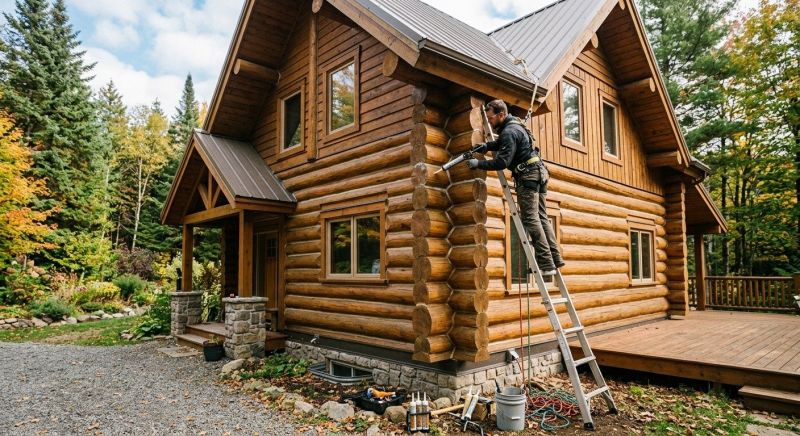
Log home weatherproofing services focus on protecting wooden structures from the elements to maintain their integrity and appearance. This service typically covers projects such as sealing logs, applying protective finishes, and addressing areas vulnerable to moisture, wind, and temperature fluctuations. Property owners often seek weatherproofing to prevent issues like wood rot, warping, and insect intrusion, ensuring their log homes remain durable and visually appealing over time. Before requesting weatherproofing, homeowners usually want to understand the specific treatments suitable for their type of logs, the extent of coverage needed, and how the process can enhance the longevity of their structure.
Understanding the scope of weatherproofing projects is essential for property owners. Common concerns include the condition of existing finishes, the level of protection required based on local weather conditions, and any necessary preparatory work such as cleaning or repairs. Homeowners should also consider the frequency of maintenance and the types of products used to ensure compatibility with their log home's materials. Clear information about these aspects can help in making informed decisions and selecting the most appropriate weatherproofing solutions for their property.
Many property owners in Seattle, WA look into Log Home Weatherproofing for repairs, replacements, upgrades, and appearance-related improvements.
Protecting Log Homes From Moisture
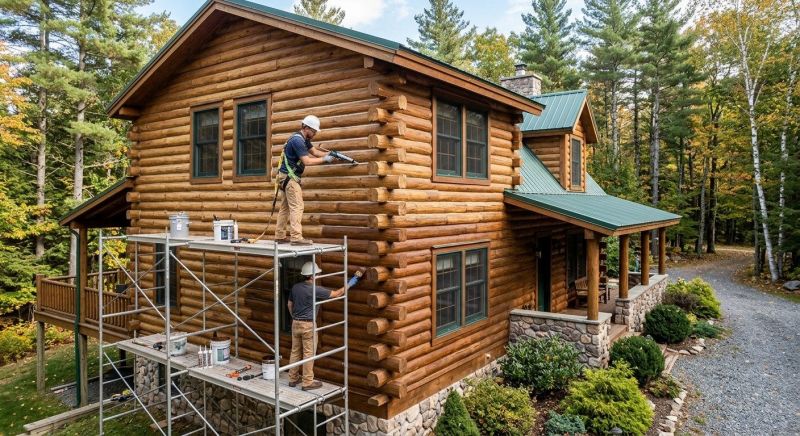
Weatherproofing helps prevent water intrusion and wood decay in log homes.
Enhancing Durability And Longevity
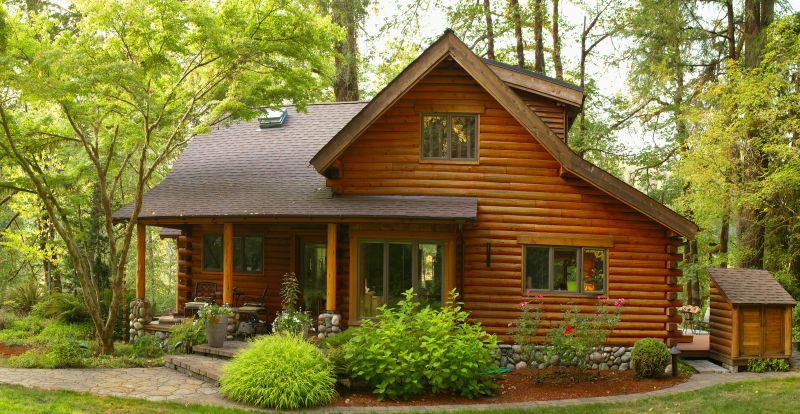
Proper sealing and treatments extend the lifespan of log structures in seattle's climate.
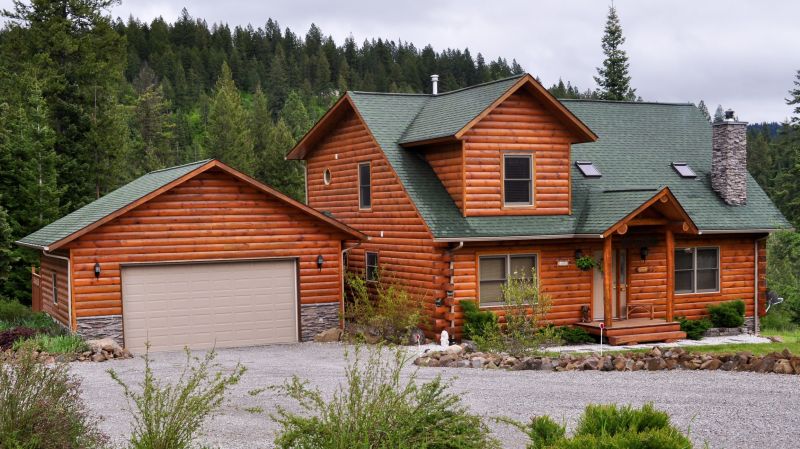
Maintaining Appearance And Value
Weatherproofing preserves the natural beauty of log exteriors while safeguarding property value.
Log Home Weatherproofing in Seattle, WA
Log home weatherproofing services focus on protecting wooden structures from the elements to maintain their integrity and appearance. This service typically covers projects such as sealing logs, applying protective finishes, and addressing areas vulnerable to moisture, wind, and temperature fluctuations. Property owners often seek weatherproofing to prevent issues like wood rot, warping, and insect intrusion, ensuring their log homes remain durable and visually appealing over time. Before requesting weatherproofing, homeowners usually want to understand the specific treatments suitable for their type of logs, the extent of coverage needed, and how the process can enhance the longevity of their structure.
Understanding the scope of weatherproofing projects is essential for property owners. Common concerns include the condition of existing finishes, the level of protection required based on local weather conditions, and any necessary preparatory work such as cleaning or repairs. Homeowners should also consider the frequency of maintenance and the types of products used to ensure compatibility with their log home's materials. Clear information about these aspects can help in making informed decisions and selecting the most appropriate weatherproofing solutions for their property.
Many property owners in Seattle, WA look into Log Home Weatherproofing for repairs, replacements, upgrades, and appearance-related improvements.
Common Log Home Weatherproofing Jobs
Log Home Weatherproofing - Protects the structure from moisture, wind, and temperature changes.
Sealing and Caulking - Seals gaps and cracks to prevent drafts and water infiltration.
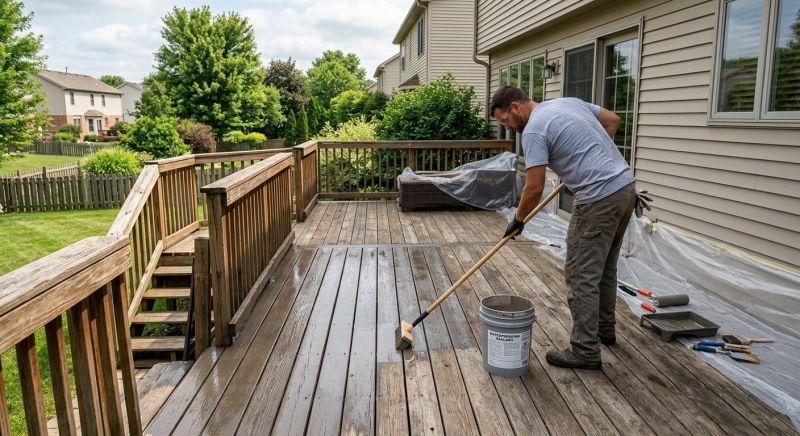
Exterior Staining and Finishing - Adds a protective layer to resist weather damage and UV rays.
Roof and Gutter Inspection - Ensures proper drainage and prevents water from seeping into the home.
Siding and Log Treatment - Treats logs and siding to reduce rot and insect damage.
Insulation Enhancement - Improves energy efficiency by upgrading insulation in walls and ceilings.
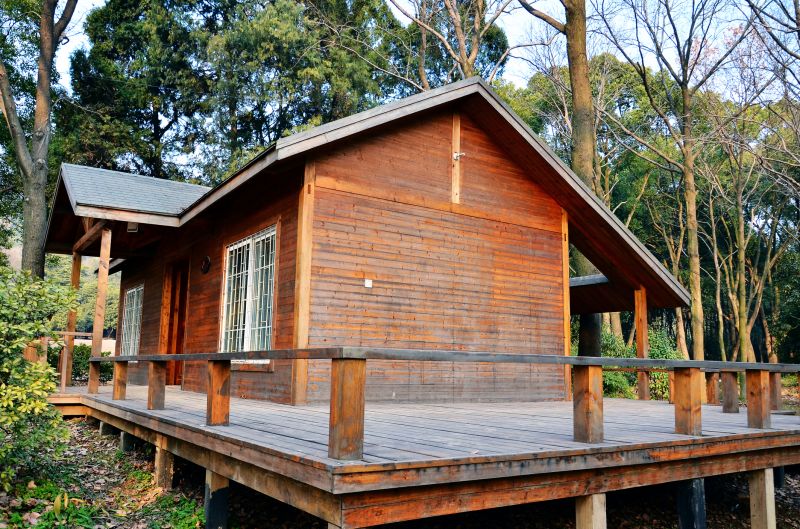
Log Home Weatherproofing Questions
Why is weatherproofing important for log homes? Weatherproofing helps protect log homes from moisture, mold, and decay, extending their lifespan and maintaining structural integrity.
What areas of a log home should be weatherproofed? Key areas include the exterior logs, chinking, and any exposed joints or seams vulnerable to water infiltration.
What types of weatherproofing treatments are available? Treatments include sealants, stains, and coatings designed to repel water and prevent damage from environmental exposure.
How often should a log home be weatherproofed? Regular inspections and reapplications are recommended every few years to ensure ongoing protection against the elements.
Request Log Home Weatherproofing in Seattle, WA
Use the quote form on this page to share the basics of your project and request more information for the type of work you need.